
Have questions? Reach out to our team to discuss specifics to your project.
Designer’s Spotlight on Hotel Public Space Flooring
With flooring as a major component in public areas throughout a hotel, having the right approach to design selections is crucial. To offer guidance and perspective on how to think about flooring from lounges to elevator lobbies, ID Studio shares insights from their deep experience and knowledge.
Flooring’s Role in a Hotel
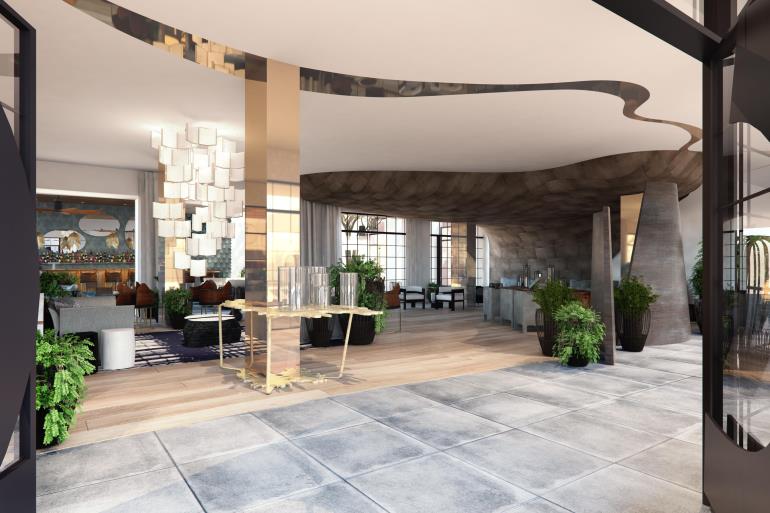
Flooring serves as one of the largest visual elements within a public space, so it plays a central role in any hotel design scheme. In particular, lobby flooring is likely the first thing guests will notice when walking into a hotel, so it can contribute heavily to their first impressions.
Aesthetically speaking, public area flooring can help reinforce a brand story, evoke a sense of place, and provide contrast and texture that complement furniture, lighting and architectural features. An experienced hospitality designer such as ID Studio can make flooring in lobbies, lounges, corridors, and other public areas a unifying element that ties together multiple spaces, while at the same time allowing each area to maintain its own character.
From a functional standpoint, beyond simply providing a walking surface, public area flooring defines circulation paths and subtly guides guests through different zones of the hotel.
Hotel Flooring Trends
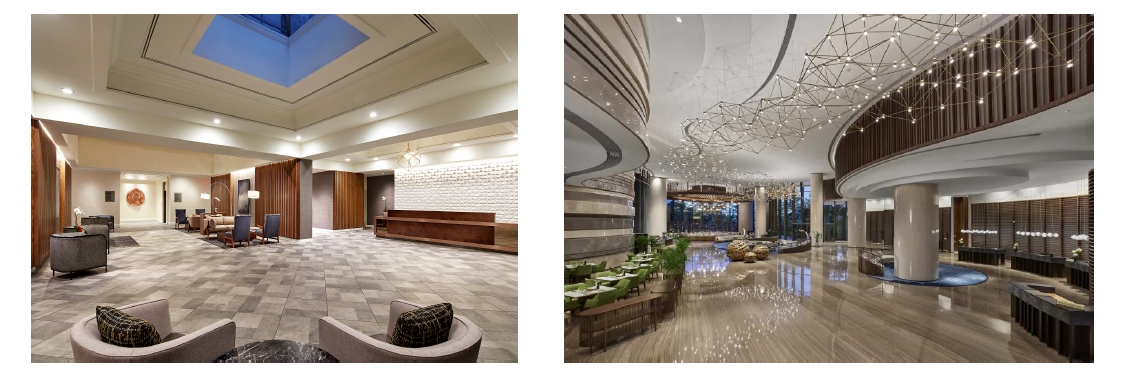
Over the past few years, we’ve seen a shift in hospitality design overall towards materials and patterns that feel more residential, authentic, and wellness-focused. Hotel lobbies are transitioning away from loud, geometric carpet patterns and cold, high-polished marble towards flooring with greater warmth. Designers today are specifying flooring materials and patterns that more closely resemble something you would find in an upscale residential living room.
Sustainability and wellness also have become growing drivers of change as more guests prioritize them in choosing where they stay. Therefore, hotel owners and brands are paying closer attention to recycled content ,responsible sourcing, and the long-term environmental impact of materials. Manufacturers have responded with more eco-friendly production processes, products, and carpet re-use or recycling programs to gain GreenGuard, Asthma & Allergy Friendly, and Cradle to Cradle certifications.
Influences on Color and Pattern
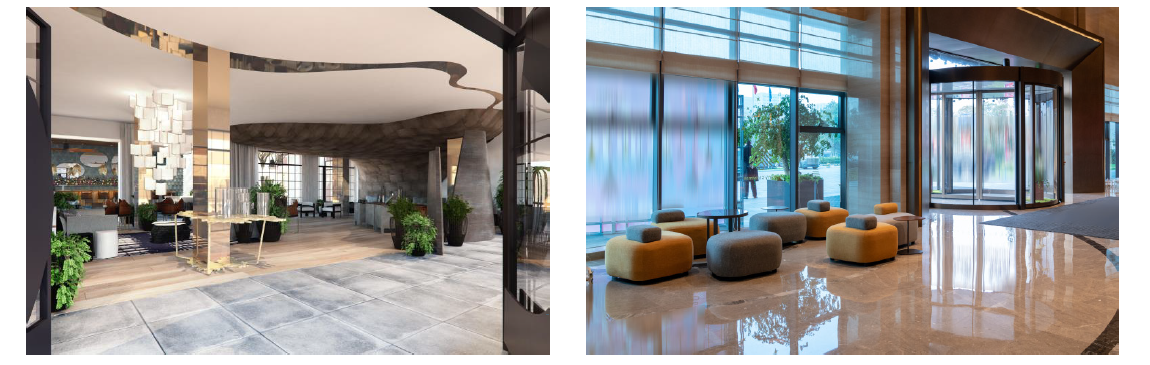
The desired guest experience, foot traffic levels, lighting, scale, and architectural characteristics of a space all contribute to how ID Studio decides on color and pattern. Highly patterned flooring can add energy, create visual interest, and effectively conceal wear in high traffic areas. Conversely , more subtle flooring can allow other elements in a space to stand out.
Windows and the amount of natural light in an area have an influence on public area flooring selections because they directly affect how colors, textures and finishes are perceived throughout the day. Large windows and daylight can enhance texture and bring up subtle variations in color and patten.
Understanding the impact of artificial lighting is equally important. Warm lighting can make flooring feel more inviting while cooler lighting may emphasize contrast and texture. ID Studio reviews flooring samples under both natural and artificial lighting conditions to ensure the materials support the desired atmosphere and guest experience.
Choosing Materials
Material selection is driven by both functional and aesthetic considerations. Carpet is great for creating warmth, improving acoustics, and making spaces feel comfortable and inviting. Stone and tile tend to work well in entry areas and high traffic zones because of durability and ease of maintenance.
Durability expectations vary depending on the product and traffic levels, but ID Studio generally looks at carpets in the public area as having a life cycle of five to eight years, while stone and resilient flooring products may perform for longer.
The Take-Away
ID Studio’s goal is to create spaces that look great while feeling timeless, rather than being simply trend-driven. The best public area flooring solutions are the ones that successfully balance design, performance, maintenance, longevity, and budget considerations while continuing to support the overall guest experience. Contact us to begin a conversation about how we balance these elements and can specify the most suitable public space flooring for your next hotel project.

