Have questions? Reach out to our team to discuss specifics to your project.
Hotel Lighting Design Trends & Tips for Better ROI
Hospitality interior designers and hotel lighting consultants are thinking about illumination in new ways as trends continue to evolve. Below, ID Studio offers their perspective on the role of lighting in a hotel, what’s changing in lighting, differences between new builds and renovations, and how hotel owners can get the best return on investment from lighting.
Lighting’s Role in a Hotel
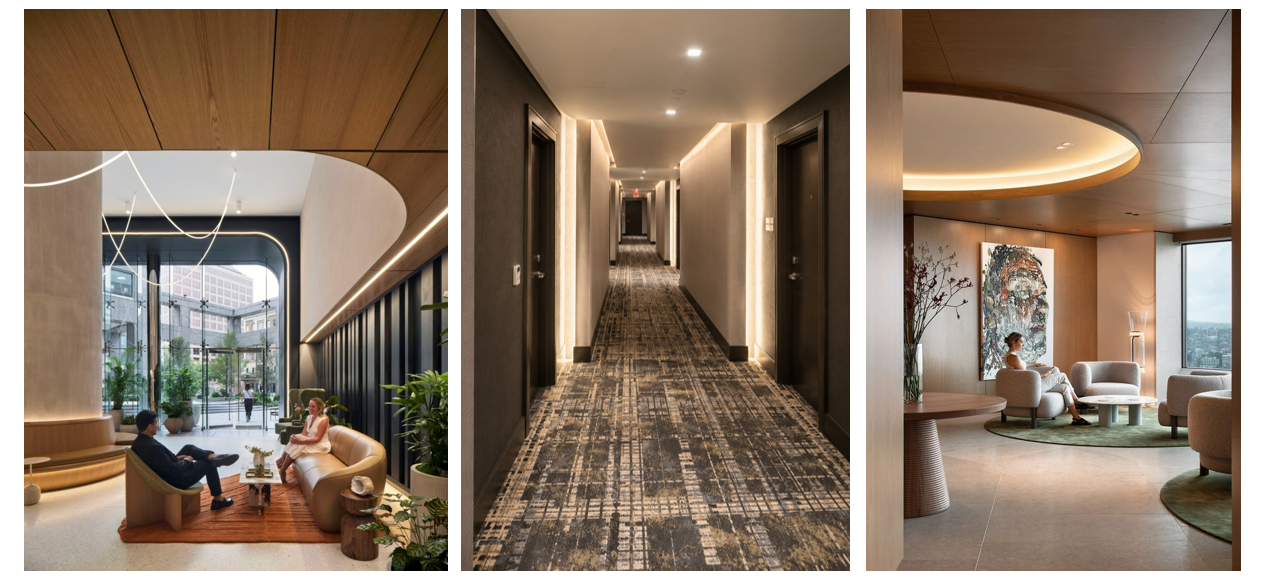
In the lobby, lighting should offer a sense of arrival, highlight architectural features, and create desired moods throughout the day or evening, such as bright and clear or low and atmospheric. In the corridors, lighting provides wayfinding and illuminates the guest's path to and from their guestroom. In the guestroom, lighting must balance comfort, functionality, and flexibility. In the guest bath, planning and coordination are critical so that LED lighted mirrors exist in harmony with architectural lighting.
The guest experience can thrive or suffer based on lighting choices with considerations that range from practical usage to the mood and emotional tone they set within a hotel. Many hospitality designers view lighting as having an outsized effect on a hotel’s design scheme.
Hotel Lighting Trends Evolving
Hospitality lighting has shifted away from purely decorative fixtures and standardized lighting packages to align more with the desired guest experience. Designers are utilizing warmer color temperatures, residential-inspired lamps and fixtures, concealed architectural lighting, and layered illumination strategies.
These layers, including a mix of ambient, task, and accent lighting in the guestroom, should allow guests to work, relax, read, or prepare for the day while also welcoming them into a space that feels both livable and luxurious. In addition, lighting integrated into furniture enhances functionality and creates personalized environments through headboards with built-in reading lights, illuminated millwork, and decorative sconces that seamlessly blend into the overall design.
Sustainability continues to influence product selection with energy-efficient LED technology that is increasingly programmable. Moreover, the growing integration of smart controls and AI-driven building technologies is becoming a standard expectation rather than a premium feature. Hotels are programming light levels for different times of day to help guests feel more comfortable while conserving energy.
Lighting Products & Materials
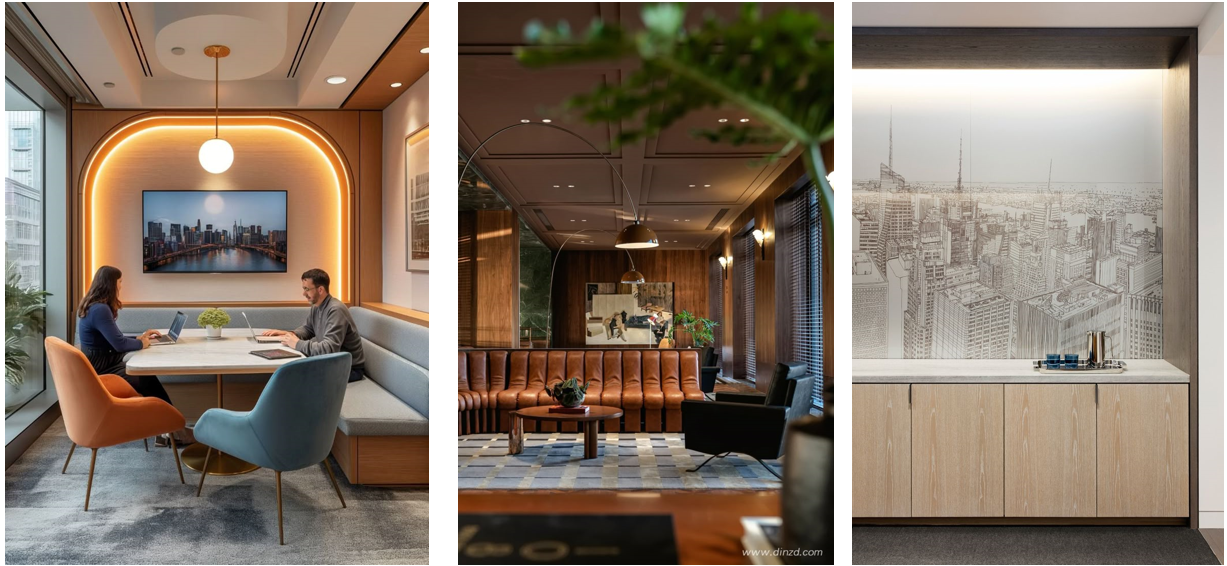
Public spaces are incorporating decorative luminaires as sculptural focal points while using concealed architectural lighting to enhance key design features without drawing attention to the source. Guestrooms are following a similar approach with bedside lighting, integrated headboard lighting, flexible controls, and USB-C charging integration within sconces and other fixtures to pair modern convenience with a seamless design aesthetic.
Using materials such as natural textures, mixed metals, stone, hand-blown glass, resin, acrylic, and artisan-inspired detailing can evoke a more authentic and elevated guest experience. Advances in LED technology, including improved color rendering and warmer color temperatures, allow finishes, artwork, and furnishings to appear more natural while supporting energy efficiency, operational goals, and long-term value.
Lighting Design Decisions: New Build vs Refresh
For a new construction hotel, the lighting discussion begins in the earliest stages of the design process. ID Studio works closely with architects, engineers, lighting consultants, and the hotel owner to weave lighting into the overall architectural vision from the outset rather than treating it as a finishing touch. Early coordination allows opportunities to place luminaires, conceal light sources, highlight architectural features, and support a hotel’s operational needs, balancing memorable guest experiences with aesthetics, performance, maintenance, and budget.
An existing property requires a more strategic approach to work within a hotel’s current infrastructure, site conditions, and operational constraints. The goal is to maximize visual impact while minimizing disruption and unnecessary cost. This calls for utilizing existing electrical infrastructure, making slight adjustments to fixture locations, and magnifying visual impact such as incorporating lighting into a communal table or millwork feature to align the property with current hospitality design trends while still remaining budget-conscious.
For a brand PIP (Property Improvement Plan), lighting recommendations should align with brand standards while elevating the guest experience beyond minimum requirements. Even small lighting updates, such as replacing decorative fixtures, improving guestroom controls, or adding layered lighting, can significantly refresh the overall feel of a property.
Hotel Lighting ROI
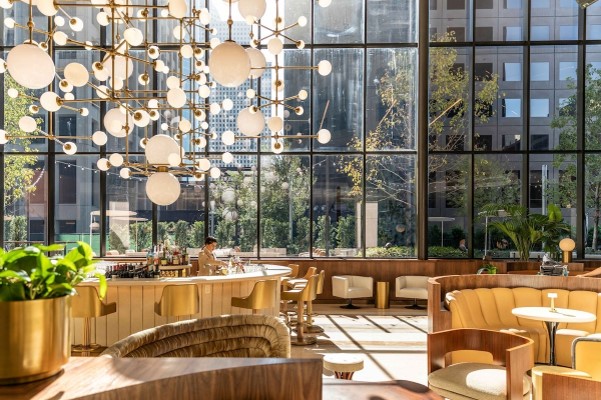
While reducing the lighting budget may seem like an easy way to lower project costs, it can have a significant impact on the guest experience and the perceived quality of the hotel. Lighting influences how guests experience every finish, furnishing, and architectural detail within a space. Even the highest-quality materials can appear flat or uninviting under poor lighting, which guests may not consciously notice but will certainly feel.
To create the best returns from a hotel owner’s investment, ID Studio prioritizes layered lighting, decorative focal fixtures in high-impact areas, integrated architectural lighting, and energy-efficient LED systems with smart controls. These solutions not only create a more inviting environment but also reduce maintenance and operational costs over time, maximizing both the guest experience and long-term return on investment.
Amazingly, lighting upgrades can modernize a property, improve guest perception, and strengthen brand identity without even requiring a complete renovation. Contact us to begin a conversation about how you can get the best ROI from your hotel lighting.